
A personalized workout plan with AI can make fitness feel more responsive and less lonely. Many people begin with motivation but lose direction after a few weeks. They wonder whether to increase weight, change exercises, rest more, or start over. Personalization helps answer those questions with better context. The plan can reflect your schedule, equipment, goals, and current ability. That makes each session feel more relevant. It also makes progress easier to understand. You are not copying someone else’s routine. You are building a path that fits you.
Fit matters because mismatched plans create frustration. A routine built for a gym may fail at home. A high-volume plan may overwhelm a beginner. A plan with no recovery may backfire quickly. Adaptive workout routine support helps match training to your actual week. It can adjust session length, exercise selection, and intensity. You still need to review everything carefully. Personalization is strongest when your input is honest. Better details produce better suggestions.
Clear inputs improve every output. State your main goal first. Add your training level. Mention available equipment. Include time per session. Share movements you dislike or cannot perform. Note recovery issues or limitations. The plan becomes more useful when the system understands the boundaries. Vague requests create vague workouts. Specific requests create structure that feels easier to follow.
Your week rarely stays predictable. Work runs late. Sleep changes. Energy shifts. Travel happens. A useful plan can adapt without making you feel like you failed. Sustainable training schedule planning gives you backup options. It might suggest a shorter strength session. It might replace intensity with mobility. It might move a harder workout to tomorrow. This flexibility keeps training alive. Consistency improves when change is expected.
AI suggestions still need judgment. Check every movement before performing it. Avoid pain that feels sharp, unusual, or escalating. Reduce intensity when form breaks down. Warm up before demanding sessions. Choose alternatives when equipment feels unsafe. Ask a qualified professional when medical concerns or injuries are involved. Technology can support planning. It should never pressure you into ignoring your body. Safe consistency wins over risky intensity.
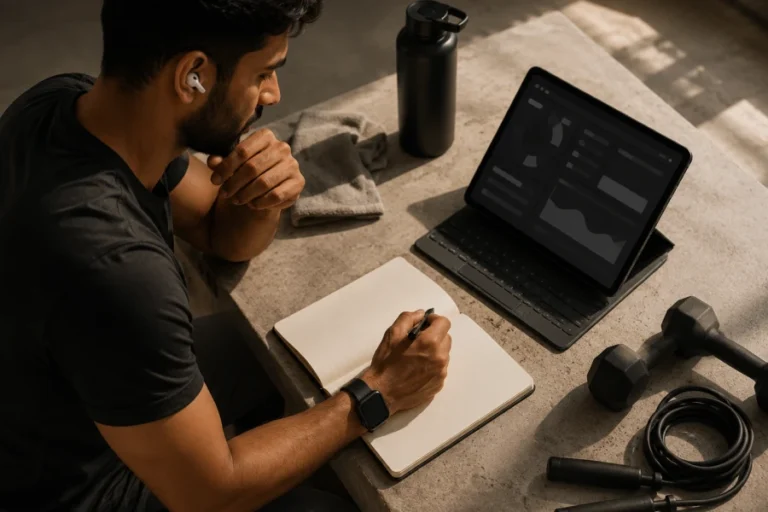
Progress becomes easier when you track the right signals. Record completed workouts. Note weights, reps, energy, sleep, and soreness. Watch patterns over several weeks. Progress tracking system habits help you see what is working. They also reveal when the plan needs adjustment. A single hard day does not define the routine. Trends matter more than isolated workouts. Tracking turns feelings into useful information. That makes your next decision smarter.
The plan should still feel like yours. Choose exercises you can imagine doing regularly. Keep warmups simple. Use music, lighting, or timing cues that make sessions enjoyable. Celebrate completed workouts, not only visible results. Long-term fitness consistency depends on emotional sustainability too. A plan that feels punishing will not last. A plan that respects your life has a better chance. AI can organize the path. You bring the commitment.



Leave a comment