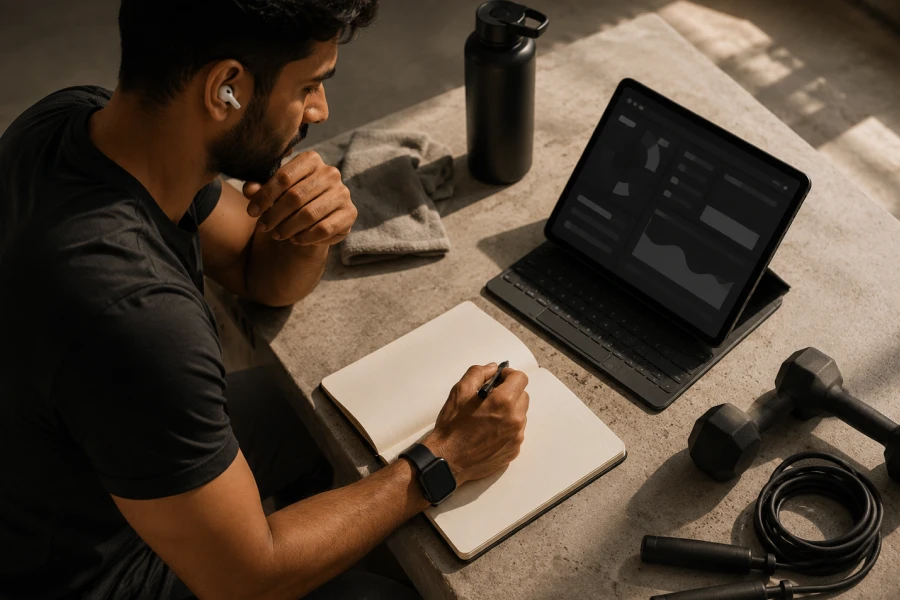
AI workout planning gives structure to people who feel overwhelmed by fitness decisions. Many beginners do not know what to train, when to rest, or how to progress. Others repeat the same routine until results stall. A smarter system can organize workouts around goals, schedule, experience, and recovery. That does not mean technology replaces effort. It helps effort land in the right place. You still need consistency. You still need honest feedback. The advantage is clarity. With better planning, training feels less random and more sustainable.
Busy people need fewer decisions. They already manage work, family, errands, and fatigue. A clear training plan removes one more source of mental load. AI fitness planning can help organize sessions around available time. It can suggest shorter workouts on crowded days. It can also preserve harder sessions for better windows. This flexibility makes routines feel less fragile. You are not forcing one rigid plan onto every week. Instead, training adapts to real life. That is where momentum starts.
Generic plans often ignore your reality. They may assume equipment you do not own. They may overlook previous injuries. They may expect time you simply do not have. Personalization improves the match between plan and person. Your routine should reflect your level, preferences, and recovery. Personalized training plan support can make exercise feel more approachable. It also helps reduce wasted effort. The plan becomes something you can actually follow. That matters more than looking impressive.
Progression is easy to misunderstand. Many people increase too quickly and burn out. Others never increase at all. A useful system watches patterns and suggests reasonable changes. It may adjust reps, sets, load, rest, or workout frequency. Weekly training adjustments make the plan feel responsive. You still decide what feels safe. The system gives you better options. This keeps training from becoming stale. Progress feels more intentional when changes have a reason.
Technology can organize information. Your body still provides the final signal. Poor sleep, soreness, stress, and low energy matter. A smart routine should respect those signals. Some days require lighter movement. Other days can handle stronger effort. Ignoring recovery often causes setbacks. Listening does not mean quitting. It means adjusting wisely. The best plan improves because you respond to real feedback.
Motivation changes from week to week. A plan should not collapse when excitement fades. Tracking completed sessions can build confidence. Seeing progress can make effort feel worthwhile. Workout motivation system tools help turn action into visible momentum. They remind you that consistency is accumulating. They also make missed days less dramatic. You can adjust and continue. That calmer approach protects long-term commitment. Motivation becomes easier when the plan keeps showing you the next step.
The best use of AI is practical. Ask for simple plans. Give clear constraints. Mention equipment, time, goals, limitations, and preferences. Review the output before following it. Keep what makes sense. Edit what feels unsafe or unrealistic. Good planning should make training simpler. It should not trap you in endless tweaking. Use technology as a coach-like helper, then let action lead.




Leave a comment